 Garden Scheme
Palms are spaced off crown spread, which is easy to underestimate from a young plant. A palm with a slender trunk still carries a canopy of fronds several times that width, and fronds that grow into a wall, a roof, or a neighbouring crown get damaged rather than redirected.
Plant library · Spacing charts
Palm and tropical plant spacing chart
Center-to-center spacing for 25 palms and tropicals, with mature height and crown spread, hardiness zones, and sun needs — spacing set by the crown, not the trunk.
Spacing across this chart runs from 2 ft (60 cm) to 20 ft (6.1 m). Sort by any column heading.
| Plant | Spacing | Mature size | USDA zones | Sun |
|---|---|---|---|---|
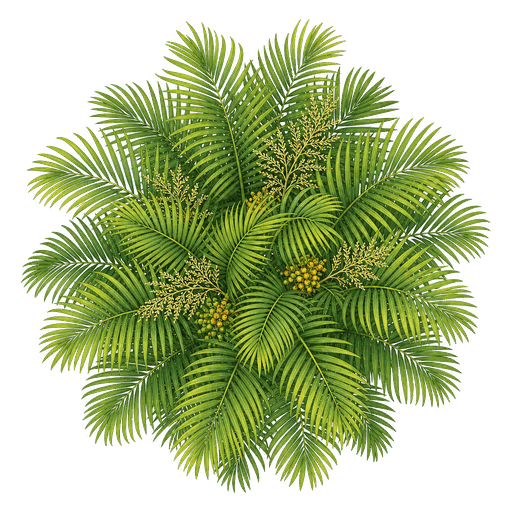 Areca PalmDypsis lutescens
|
8 ft2.4 m | 20 ft tall, 10 ft wide | 10–11 | Partial Sun |
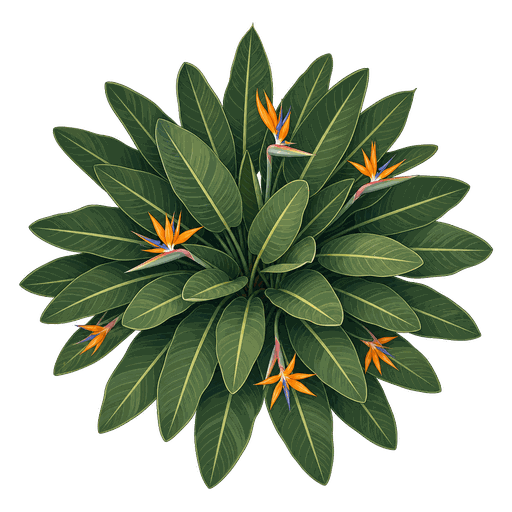 Bird of ParadiseStrelitzia reginae
|
4 ft1.2 m | 5 ft tall, 4 ft wide | 10–11 | Full Sun |
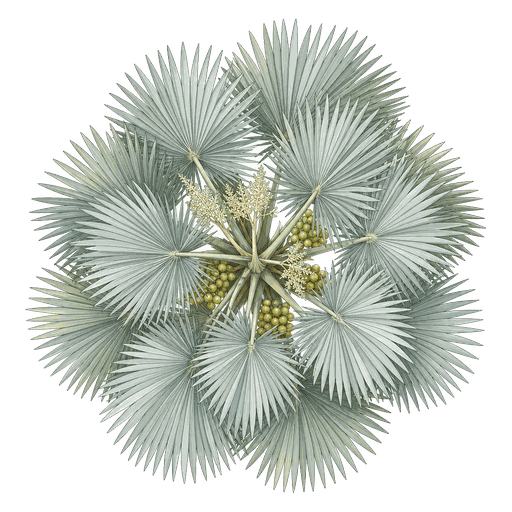 Bismarck PalmBismarckia nobilis
|
15 ft4.6 m | 40 ft tall, 15 ft wide | 9–11 | Full Sun |
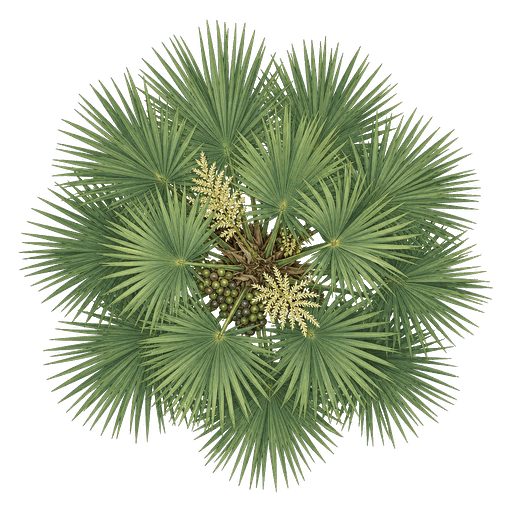 Cabbage PalmSabal palmetto
|
15 ft4.6 m | 40 ft tall, 15 ft wide | 8–11 | Full Sun |
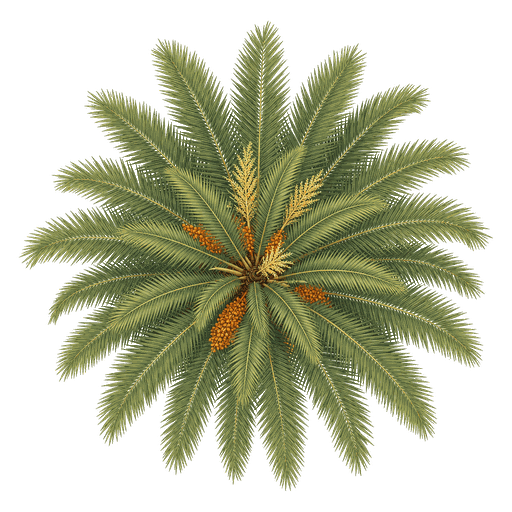 Canary Island Date PalmPhoenix canariensis
|
20 ft6.1 m | 50 ft tall, 25 ft wide | 9–11 | Full Sun |
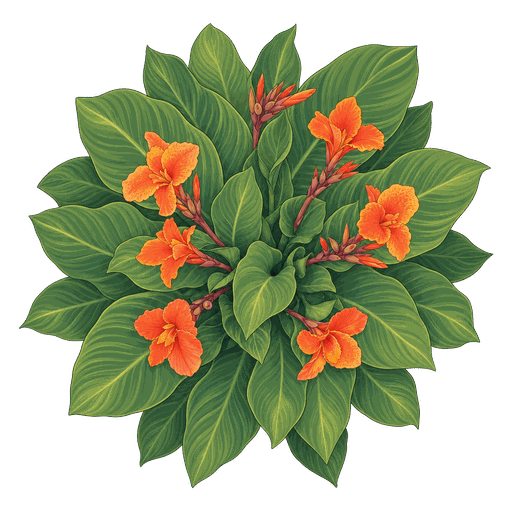 Canna LilyCanna indica
|
2 ft60 cm | 6 ft tall, 3 ft wide | 7–11 | Full Sun |
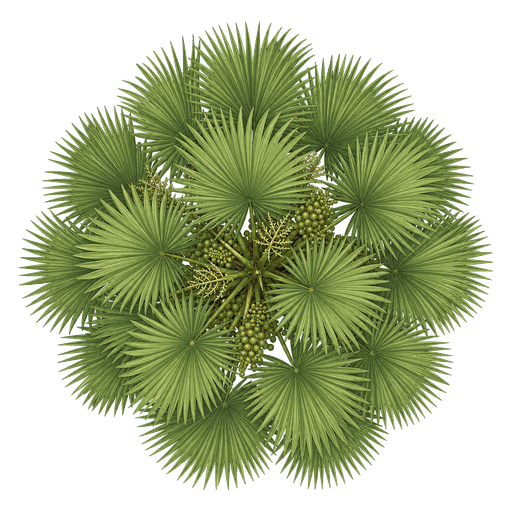 Chinese Fan PalmLivistona chinensis
|
10 ft3 m | 25 ft tall, 12 ft wide | 9–11 | Partial Sun |
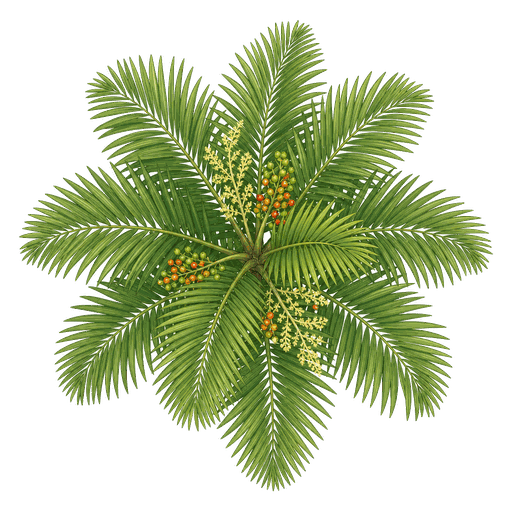 Christmas PalmAdonidia merrillii
|
8 ft2.4 m | 20 ft tall, 8 ft wide | 10–11 | Full Sun |
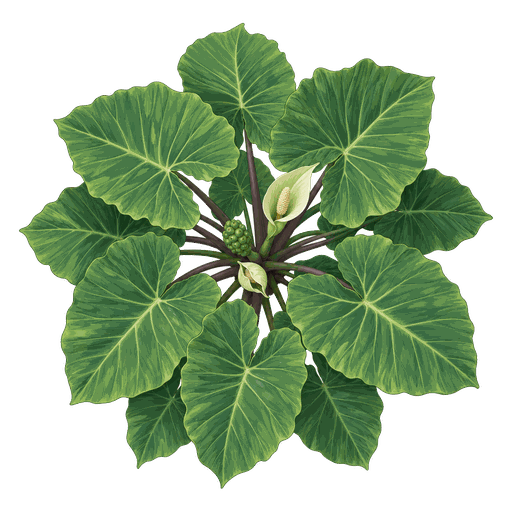 Elephant EarColocasia esculenta
|
3 ft90 cm | 5 ft tall, 4 ft wide | 8–11 | Partial Shade |
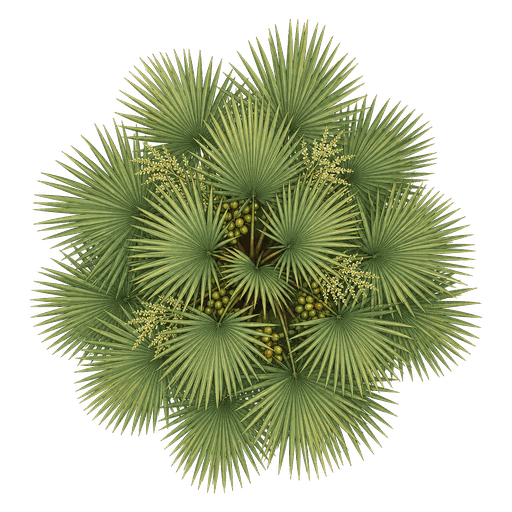 European Fan PalmChamaerops humilis
|
8 ft2.4 m | 12 ft tall, 10 ft wide | 8–11 | Full Sun |
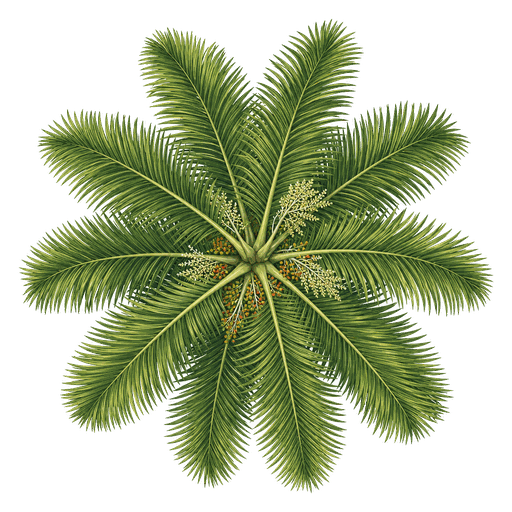 Foxtail PalmWodyetia bifurcata
|
12 ft3.7 m | 30 ft tall, 15 ft wide | 10–11 | Full Sun |
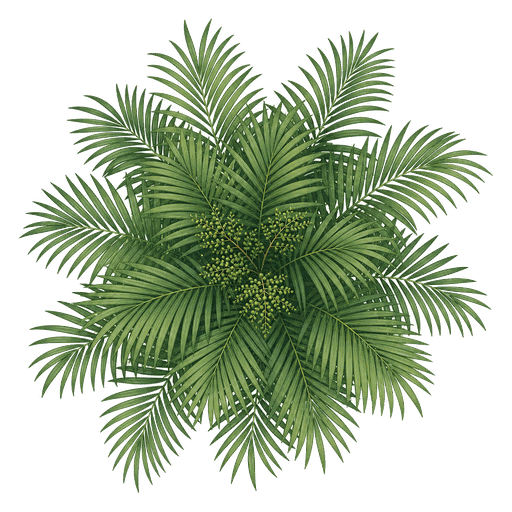 Kentia PalmHowea forsteriana
|
10 ft3 m | 30 ft tall, 12 ft wide | 9–11 | Partial Shade |
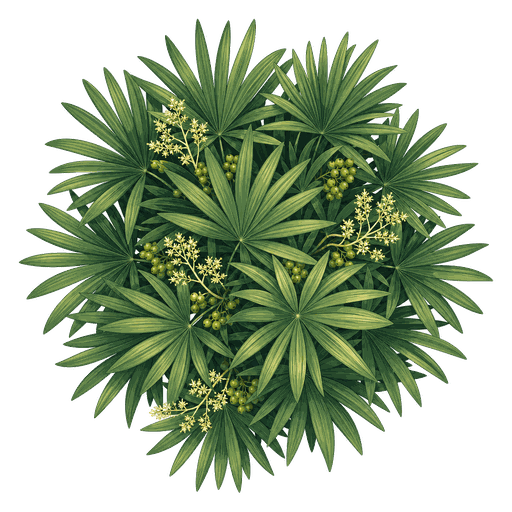 Lady PalmRhapis excelsa
|
4 ft1.2 m | 6 ft tall, 4 ft wide | 9–11 | Partial Shade |
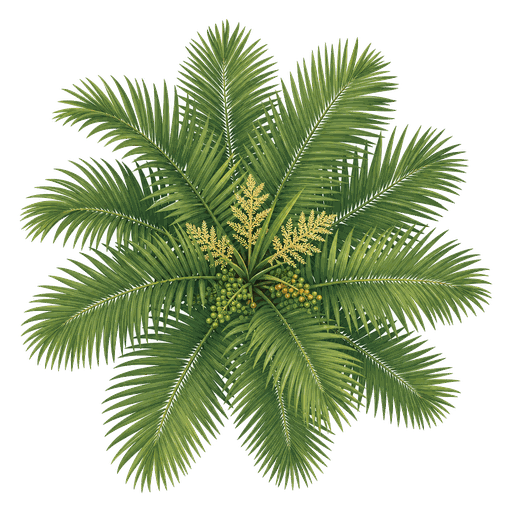 Majesty PalmRavenea rivularis
|
10 ft3 m | 30 ft tall, 12 ft wide | 10–11 | Partial Sun |
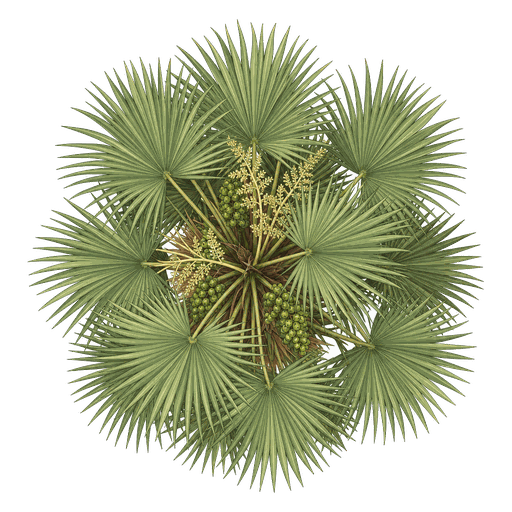 Mexican Fan PalmWashingtonia robusta
|
12 ft3.7 m | 70 ft tall, 12 ft wide | 9–11 | Full Sun |
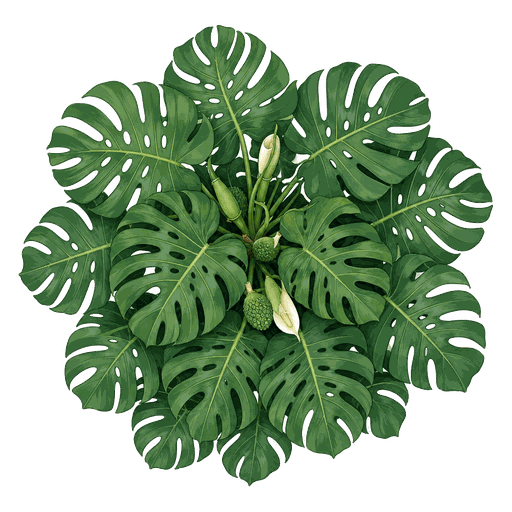 MonsteraMonstera deliciosa
|
4 ft1.2 m | 10 ft tall, 8 ft wide | 10–12 | Partial Shade |
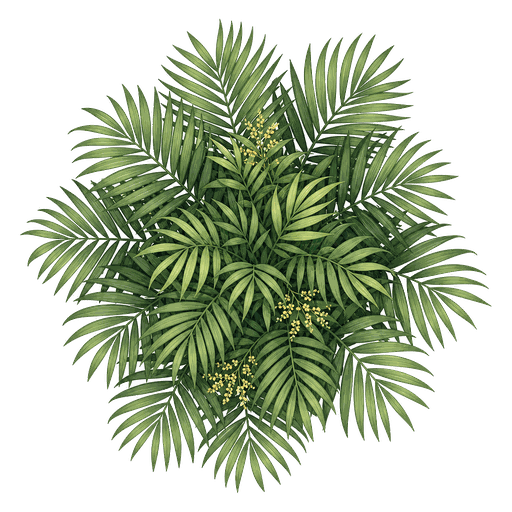 Parlor PalmChamaedorea elegans
|
2 ft60 cm | 4 ft tall, 2.5 ft wide | 10–12 | Partial Shade |
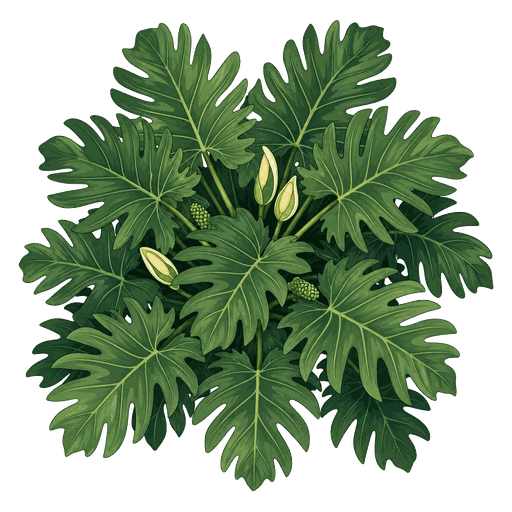 PhilodendronPhilodendron spp.
|
4 ft1.2 m | 10 ft tall, 4 ft wide | — | Partial Shade |
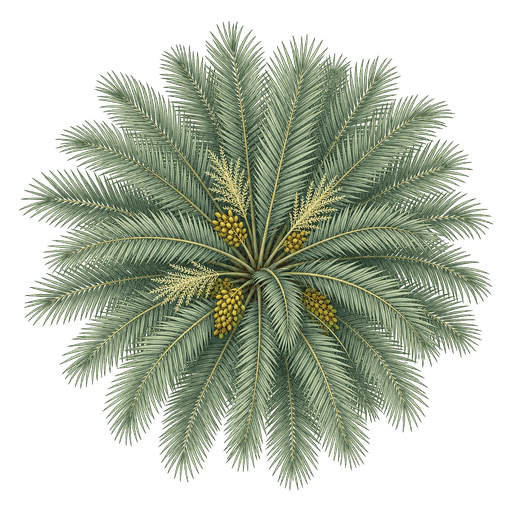 Pindo PalmButia odorata
|
12 ft3.7 m | 20 ft tall, 15 ft wide | 8–11 | Full Sun |
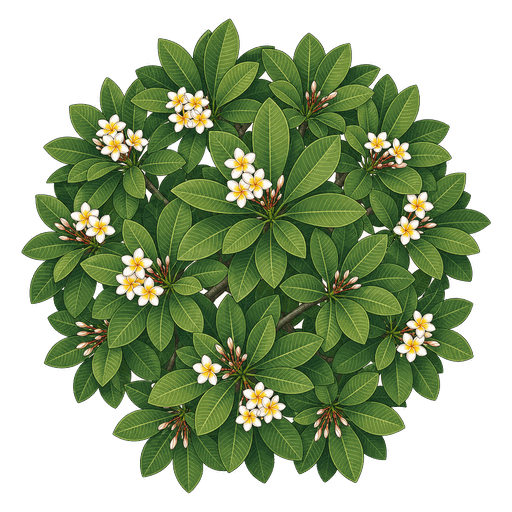 PlumeriaPlumeria spp.
|
10 ft3 m | 15 ft tall, 12 ft wide | — | Full Sun |
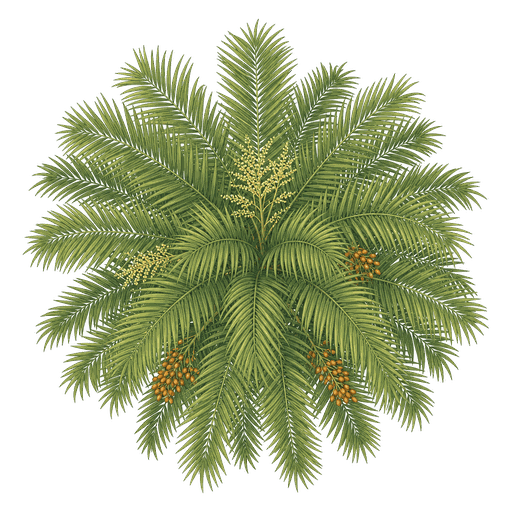 Pygmy Date PalmPhoenix roebelenii
|
8 ft2.4 m | 10 ft tall, 8 ft wide | 9–11 | Partial Sun |
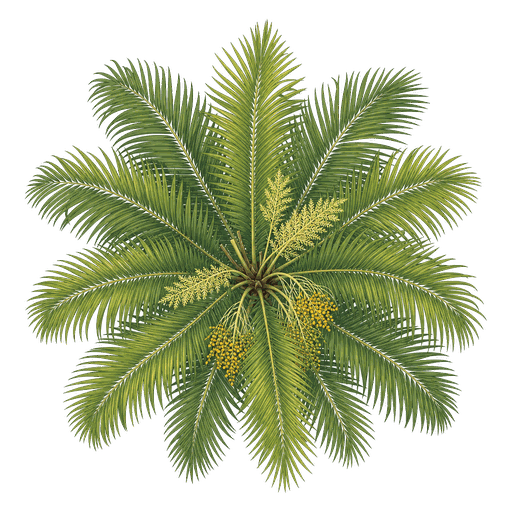 Queen PalmSyagrus romanzoffiana
|
15 ft4.6 m | 50 ft tall, 15 ft wide | 9–11 | Full Sun |
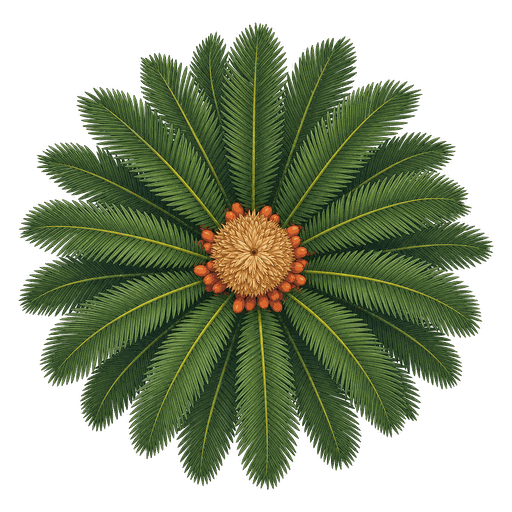 Sago PalmCycas revoluta
|
8 ft2.4 m | 10 ft tall, 8 ft wide | 8–11 | Partial Sun |
 Ti PlantCordyline fruticosa
|
3 ft90 cm | 6 ft tall, 3 ft wide | 10–12 | Partial Sun |
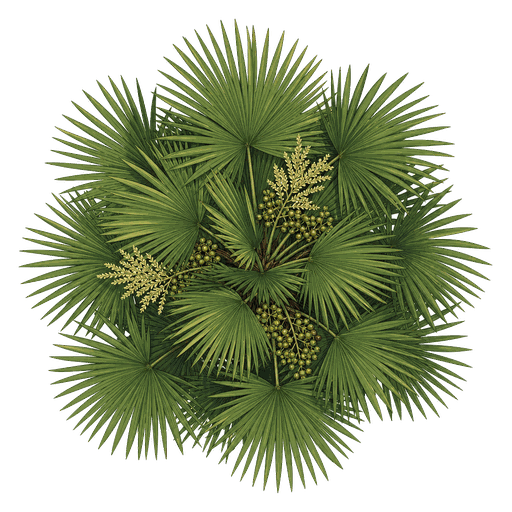 Windmill PalmTrachycarpus fortunei
|
8 ft2.4 m | 30 ft tall, 8 ft wide | 7–11 | Full Sun |
Spacing is center to center — measure between planting holes, not between the edges of the plants. Mature sizes are planning estimates and shift with cultivar and local conditions. Hardiness is shown only for non-annual, species-level entries.
How to use this chart
Solitary and clustering palms need different treatment. A solitary palm keeps one trunk and one crown for life, so its footprint is predictable. Clustering species keep producing suckers and expand outward from the original planting hole indefinitely, so give them the room the clump will need rather than the room the plant currently occupies.
Overhead clearance is the constraint people miss. Check mature height against eaves, balconies, and power lines before planting: palms cannot be reduced in height the way a broadleaf tree can, and the only remedy for one that outgrows its spot is removal.