 Garden Scheme
Rootstock changes these numbers more than anything else on the page. The same apple variety is a 6 ft tree on a dwarfing rootstock and a 25 ft tree on a standard one, and it is spaced accordingly. Treat the figures here as the full-size baseline and scale down for dwarf and semi-dwarf stock — the tag on the tree, not the variety name, tells you which you have.
Plant library · Spacing charts
Fruit tree spacing chart
Center-to-center spacing for 45 fruit trees, with mature size, hardiness zones, and harvest season — baseline distances for a home orchard, before rootstock adjustments.
Spacing across this chart runs from 6 ft (1.8 m) to 40 ft (12.2 m). Sort by any column heading.
| Plant | Spacing | Mature size | USDA zones | Sun |
|---|---|---|---|---|
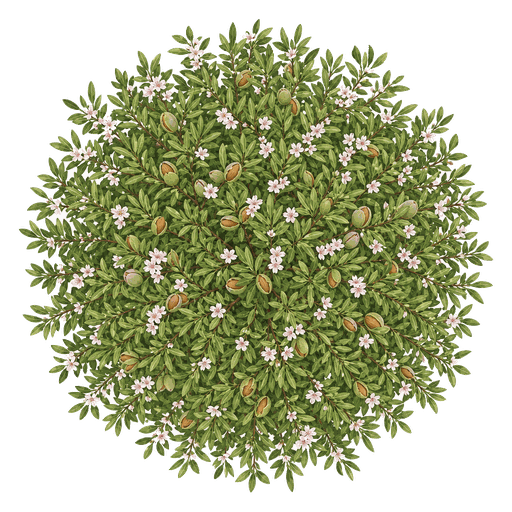 AlmondPrunus dulcis
|
18 ft5.5 m | 20 ft tall, 15 ft wide | 7–9 | Full Sun |
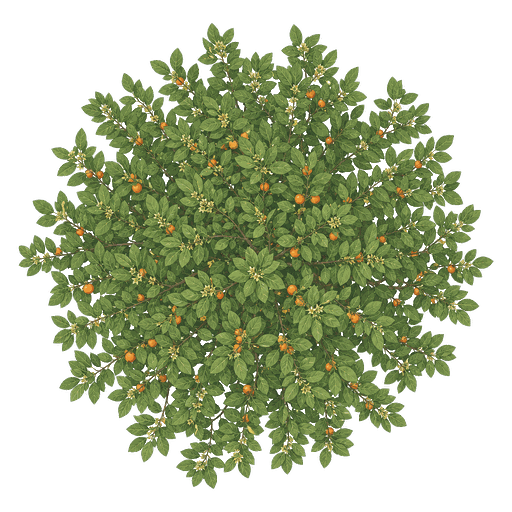 American Persimmon (Native)Diospyros virginiana
|
25 ft7.6 m | 40 ft tall, 30 ft wide | 4–9 | Full Sun |
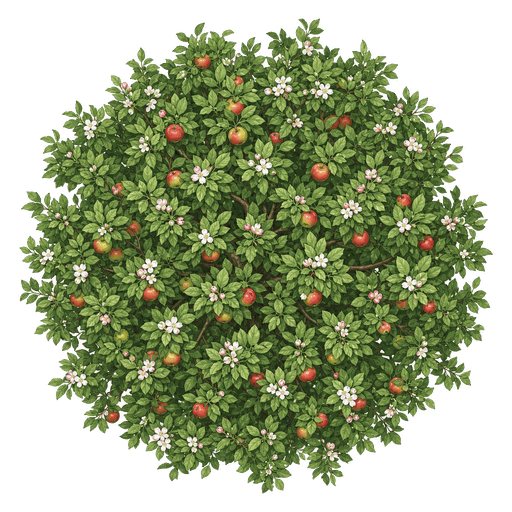 AppleMalus domestica
|
15 ft4.6 m | 15 ft tall, 15 ft wide | 3–9 | Full Sun |
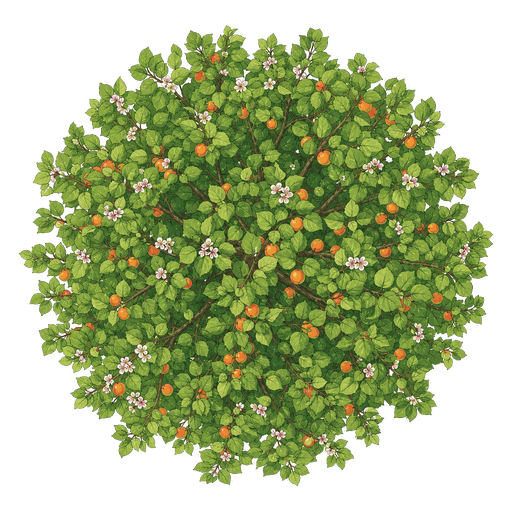 ApricotPrunus armeniaca
|
15 ft4.6 m | 15 ft tall, 15 ft wide | 5–9 | Full Sun |
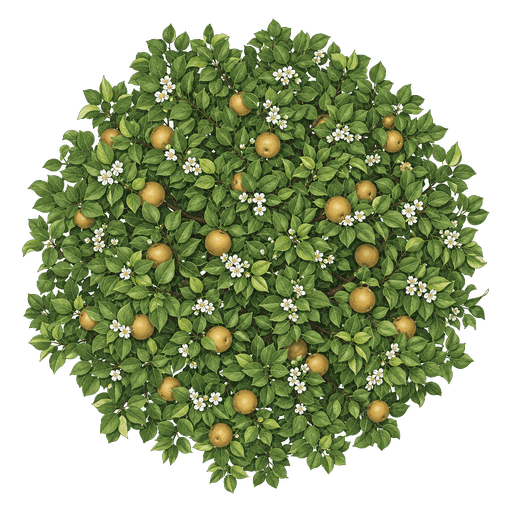 Asian PearPyrus pyrifolia
|
15 ft4.6 m | 15 ft tall, 15 ft wide | 5–9 | Full Sun |
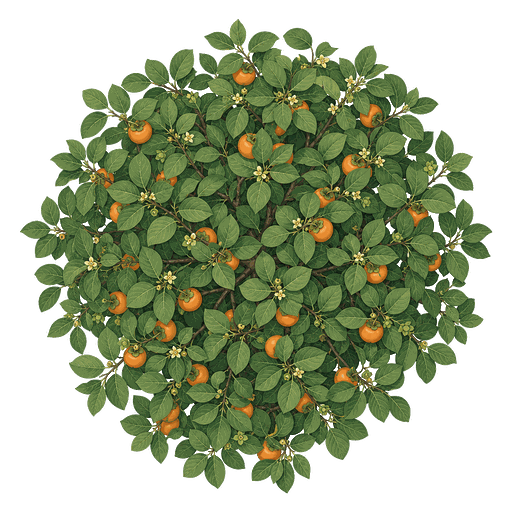 Asian PersimmonDiospyros kaki
|
20 ft6.1 m | 25 ft tall, 15 ft wide | 7–10 | Full Sun |
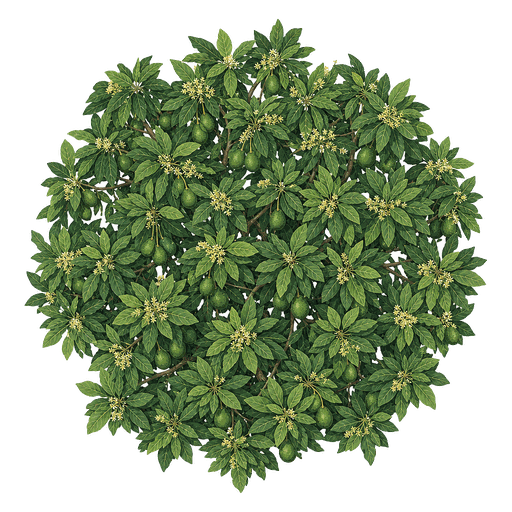 AvocadoPersea americana
|
25 ft7.6 m | 35 ft tall, 25 ft wide | 9–11 | Full Sun |
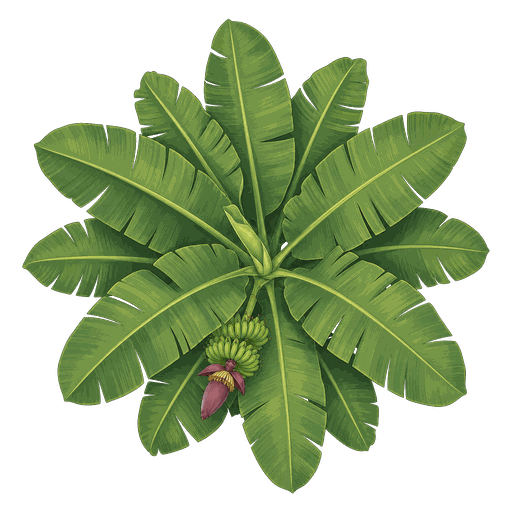 BananaMusa acuminata
|
8 ft2.4 m | 12 ft tall, 8 ft wide | 9–11 | Full Sun |
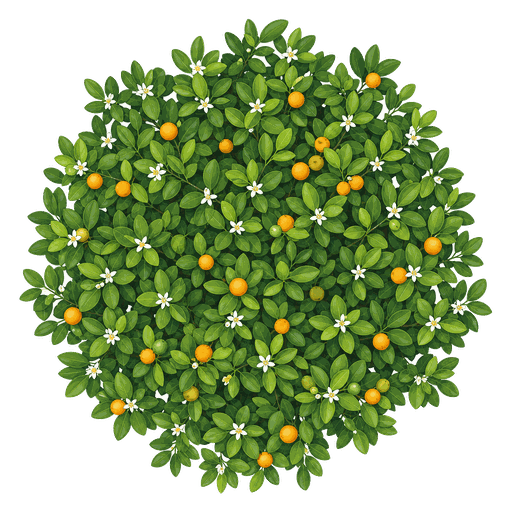 CalamondinCitrus x microcarpa
|
10 ft3 m | 12 ft tall, 8 ft wide | 9–11 | Full Sun |
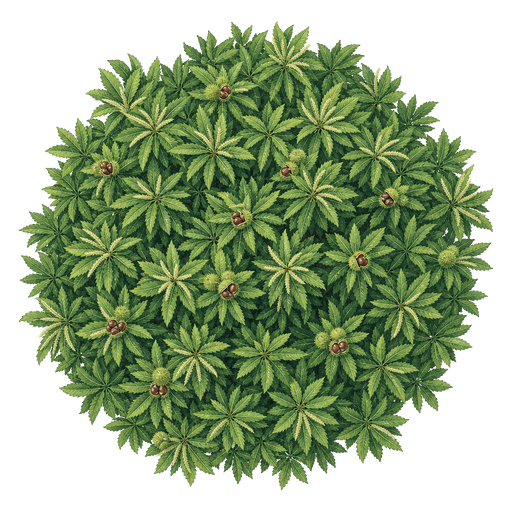 Chinese ChestnutCastanea mollissima
|
30 ft9.1 m | 40 ft tall, 35 ft wide | 4–8 | Full Sun |
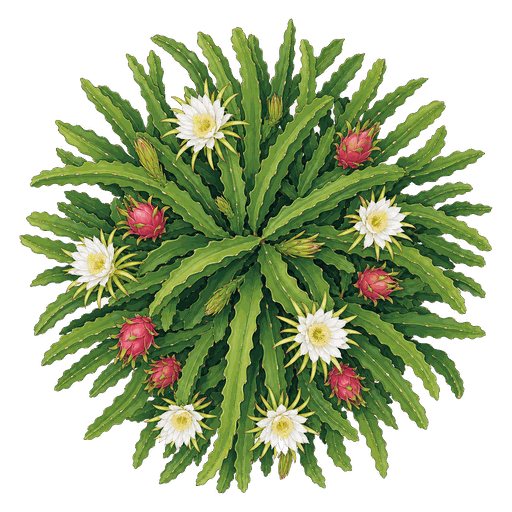 Dragon FruitSelenicereus undatus
|
6 ft1.8 m | 10 ft tall, 10 ft wide | 10–12 | Full Sun |
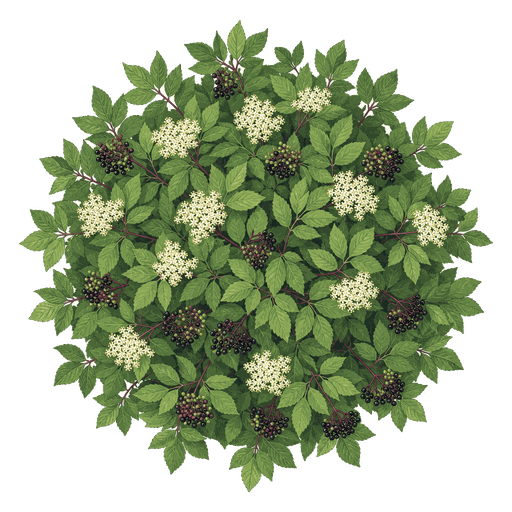 ElderberrySambucus canadensis
|
8 ft2.4 m | 10 ft tall, 8 ft wide | 3–9 | Full Sun |
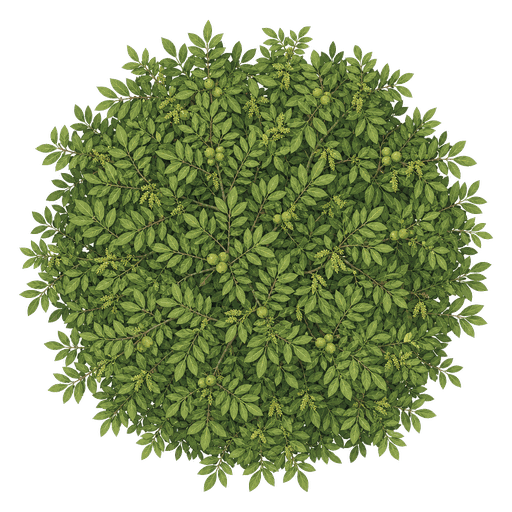 English WalnutJuglans regia
|
40 ft12.2 m | 50 ft tall, 50 ft wide | 4–9 | Full Sun |
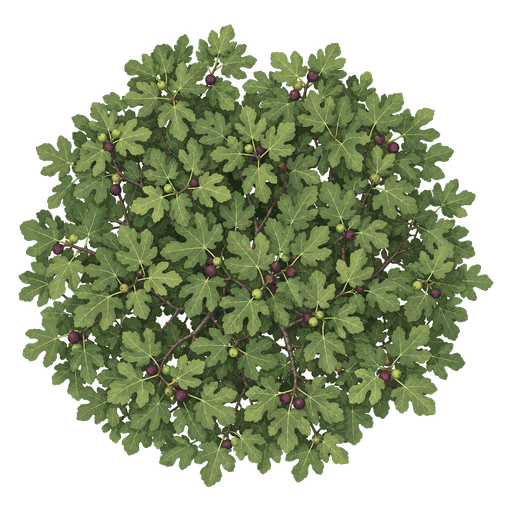 FigFicus carica
|
15 ft4.6 m | 15 ft tall, 15 ft wide | 7–11 | Full Sun |
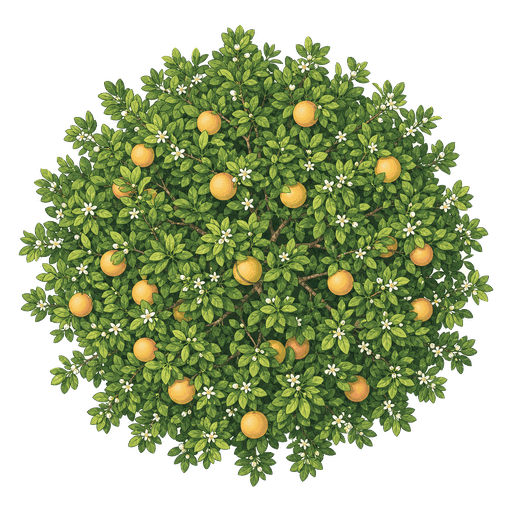 GrapefruitCitrus x paradisi
|
20 ft6.1 m | 20 ft tall, 20 ft wide | 9–11 | Full Sun |
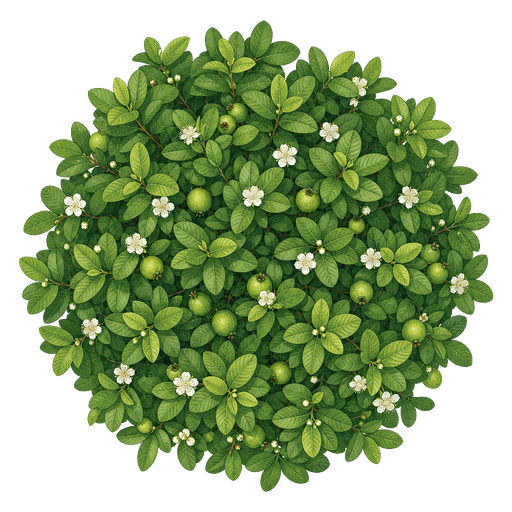 GuavaPsidium guajava
|
15 ft4.6 m | 15 ft tall, 15 ft wide | 9–11 | Full Sun |
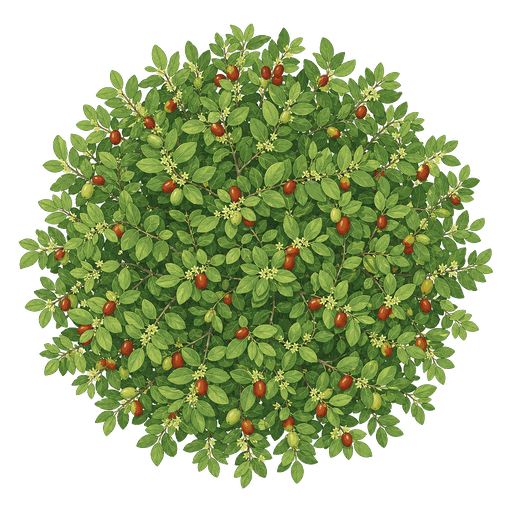 JujubeZiziphus jujuba
|
15 ft4.6 m | 25 ft tall, 15 ft wide | 6–11 | Full Sun |
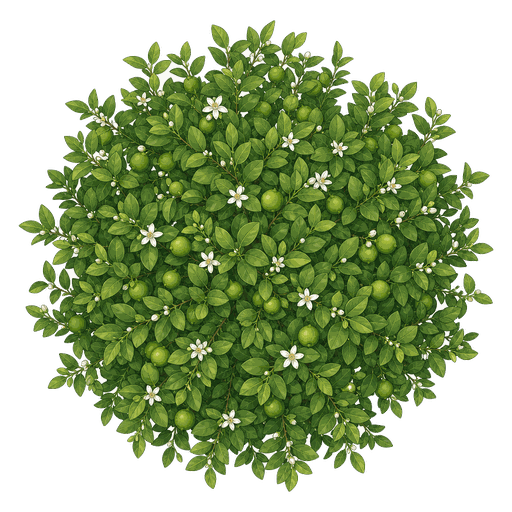 Key LimeCitrus x aurantiifolia
|
12 ft3.7 m | 12 ft tall, 10 ft wide | 10–11 | Full Sun |
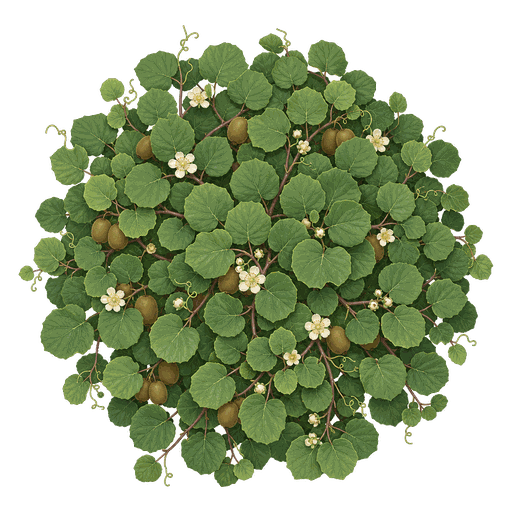 KiwifruitActinidia deliciosa
|
12 ft3.7 m | 20 ft tall, 10 ft wide | 7–9 | Full Sun |
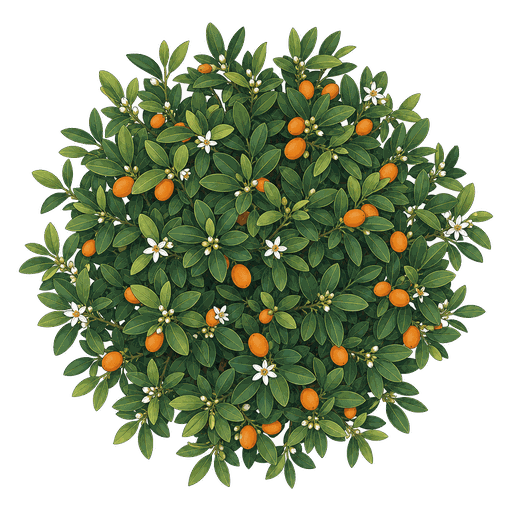 KumquatCitrus japonica
|
8 ft2.4 m | 8 ft tall, 6 ft wide | 9–11 | Full Sun |
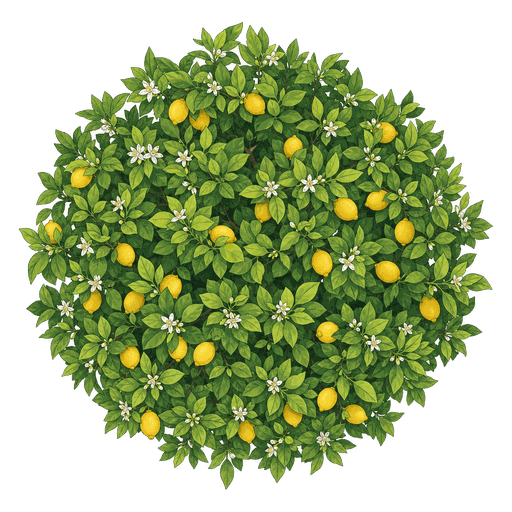 LemonCitrus limon
|
15 ft4.6 m | 15 ft tall, 12 ft wide | 9–11 | Full Sun |
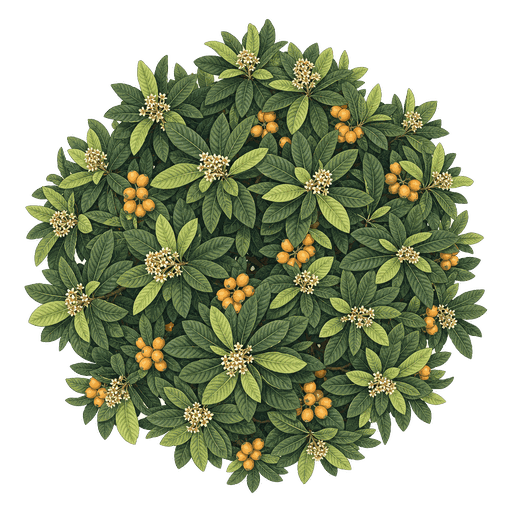 LoquatEriobotrya japonica
|
15 ft4.6 m | 20 ft tall, 20 ft wide | 8–11 | Full Sun |
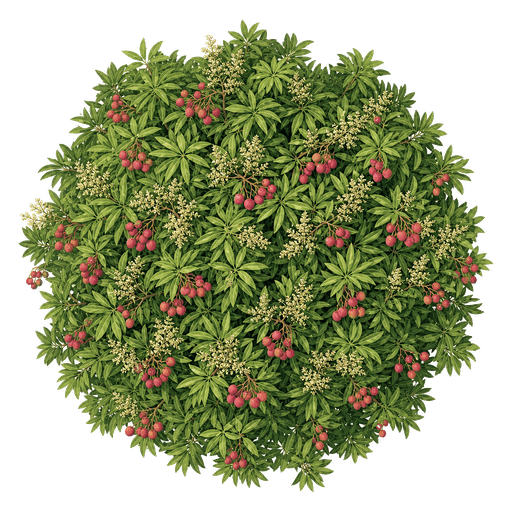 LycheeLitchi chinensis
|
25 ft7.6 m | 30 ft tall, 25 ft wide | 10–11 | Full Sun |
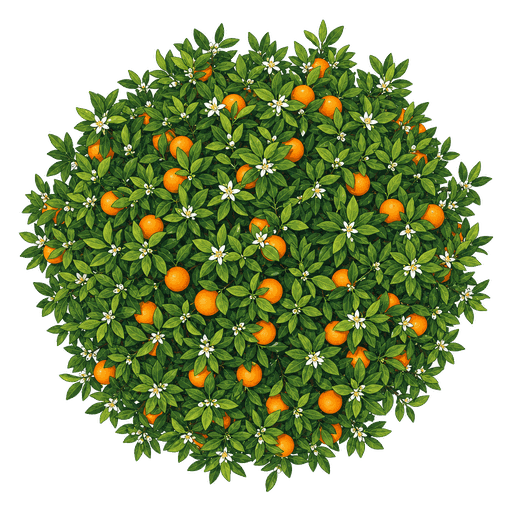 Mandarin OrangeCitrus reticulata
|
12 ft3.7 m | 12 ft tall, 12 ft wide | 9–11 | Full Sun |
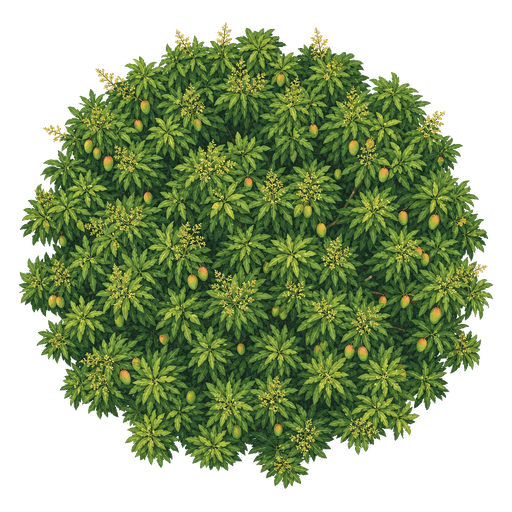 MangoMangifera indica
|
30 ft9.1 m | 40 ft tall, 30 ft wide | 10–11 | Full Sun |
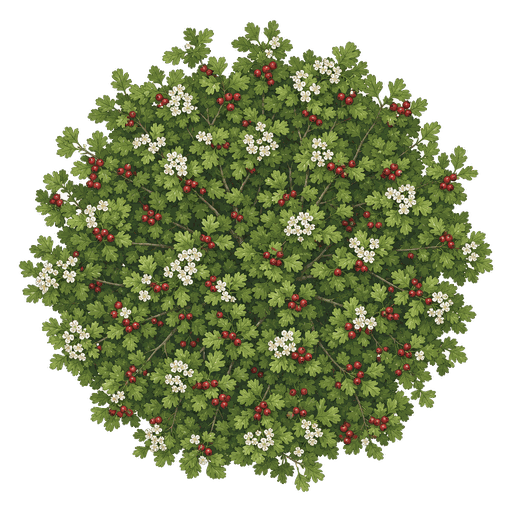 MayhawCrataegus aestivalis
|
18 ft5.5 m | 25 ft tall, 20 ft wide | 6–9 | Full Sun |
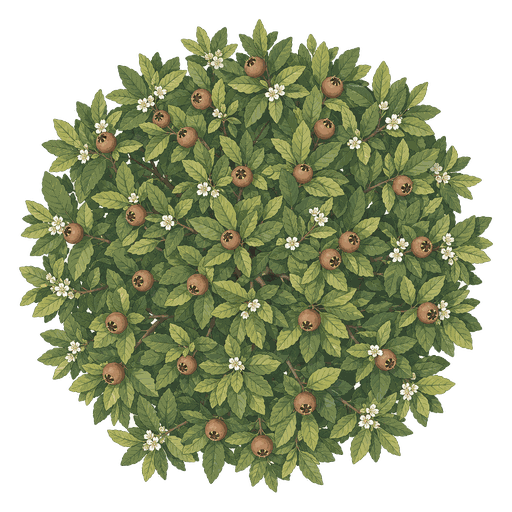 MedlarMespilus germanica
|
15 ft4.6 m | 15 ft tall, 15 ft wide | 5–8 | Full Sun |
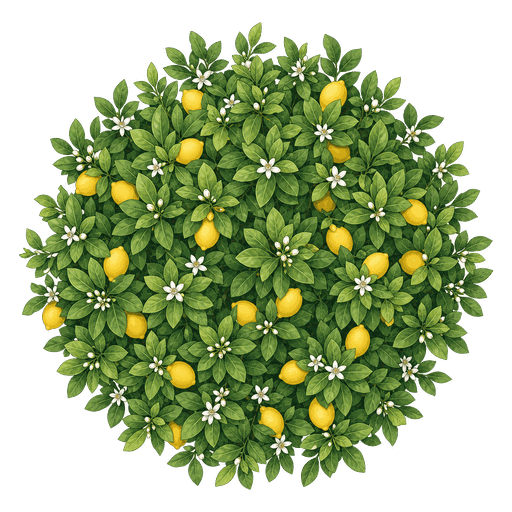 Meyer LemonCitrus x meyeri
|
10 ft3 m | 10 ft tall, 10 ft wide | 9–11 | Full Sun |
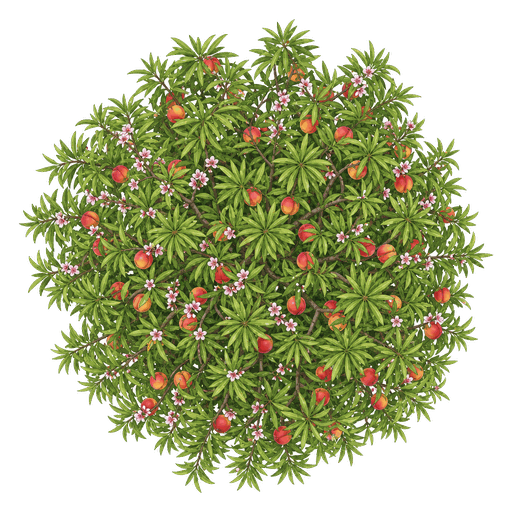 NectarinePrunus persica var. nucipersica
|
15 ft4.6 m | 15 ft tall, 15 ft wide | 5–9 | Full Sun |
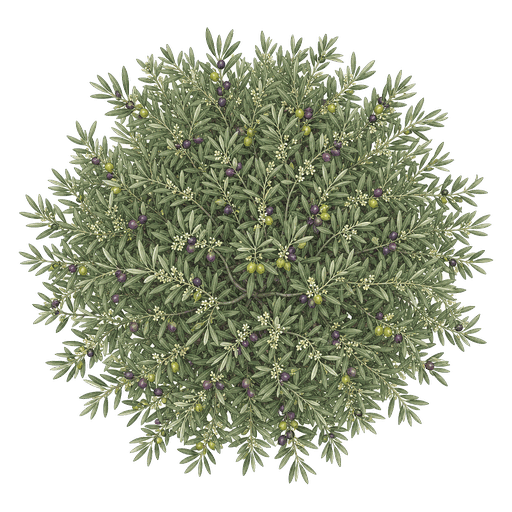 OliveOlea europaea
|
20 ft6.1 m | 25 ft tall, 20 ft wide | 8–11 | Full Sun |
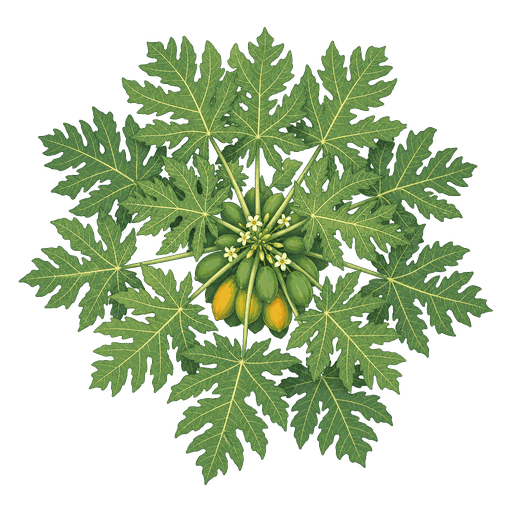 PapayaCarica papaya
|
8 ft2.4 m | 10 ft tall, 6 ft wide | 10–12 | Full Sun |
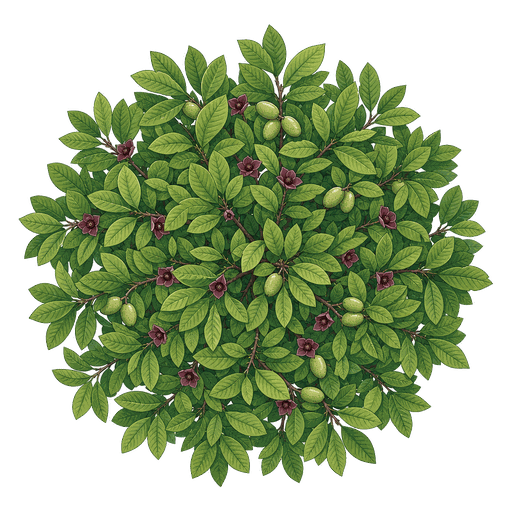 PawpawAsimina triloba
|
15 ft4.6 m | 20 ft tall, 15 ft wide | 5–9 | Partial Sun |
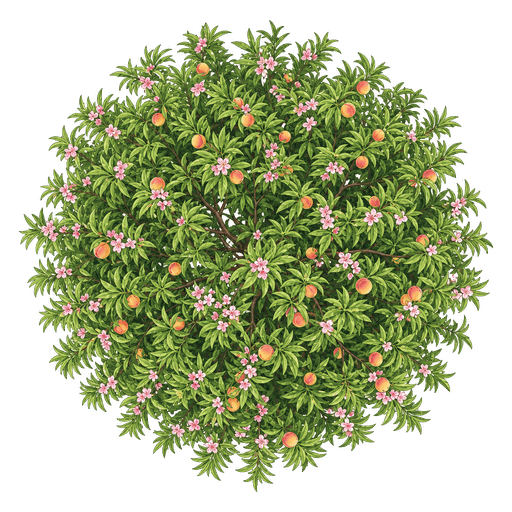 PeachPrunus persica
|
15 ft4.6 m | 15 ft tall, 15 ft wide | 5–9 | Full Sun |
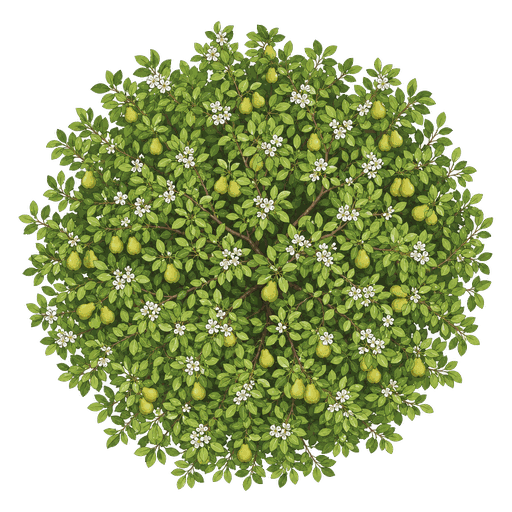 PearPyrus communis
|
20 ft6.1 m | 25 ft tall, 20 ft wide | 5–9 | Full Sun |
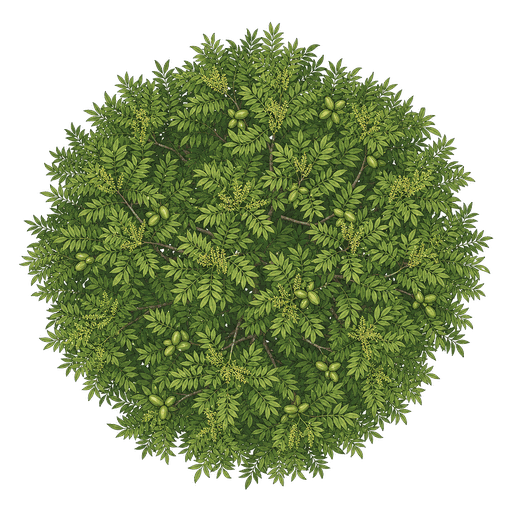 PecanCarya illinoinensis
|
40 ft12.2 m | 70 ft tall, 50 ft wide | 5–9 | Full Sun |
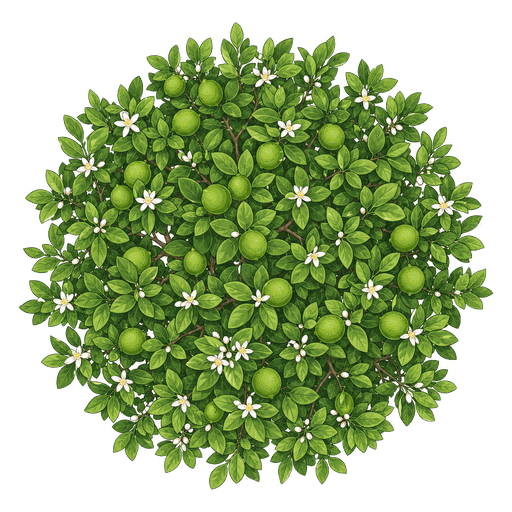 Persian LimeCitrus x latifolia
|
15 ft4.6 m | 15 ft tall, 12 ft wide | 9–11 | Full Sun |
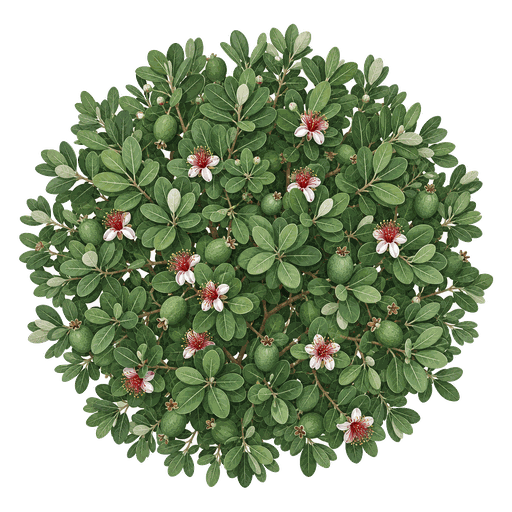 Pineapple GuavaAcca sellowiana
|
10 ft3 m | 12 ft tall, 12 ft wide | 8–11 | Full Sun |
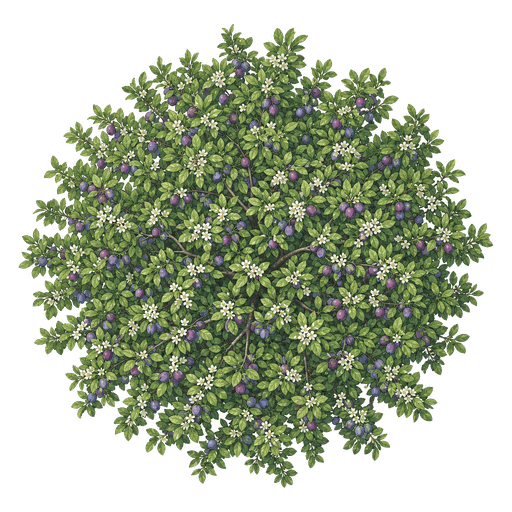 PlumPrunus domestica
|
20 ft6.1 m | 20 ft tall, 20 ft wide | 5–9 | Full Sun |
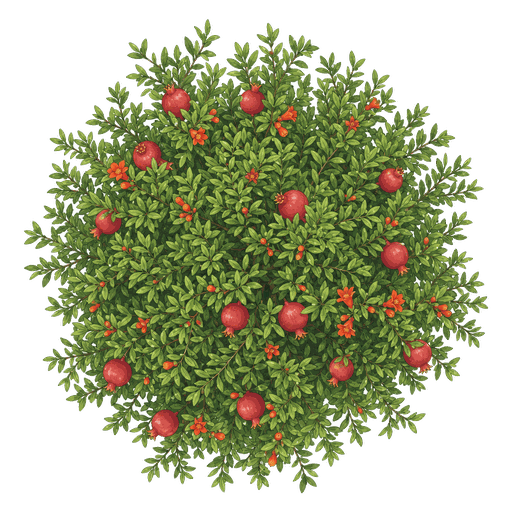 PomegranatePunica granatum
|
12 ft3.7 m | 12 ft tall, 10 ft wide | 7–11 | Full Sun |
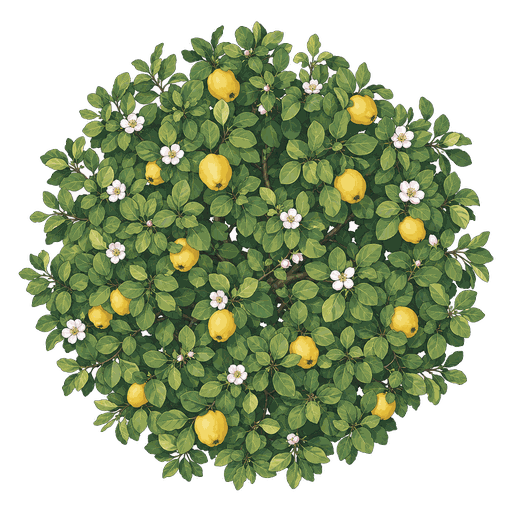 QuinceCydonia oblonga
|
15 ft4.6 m | 15 ft tall, 12 ft wide | 5–9 | Full Sun |
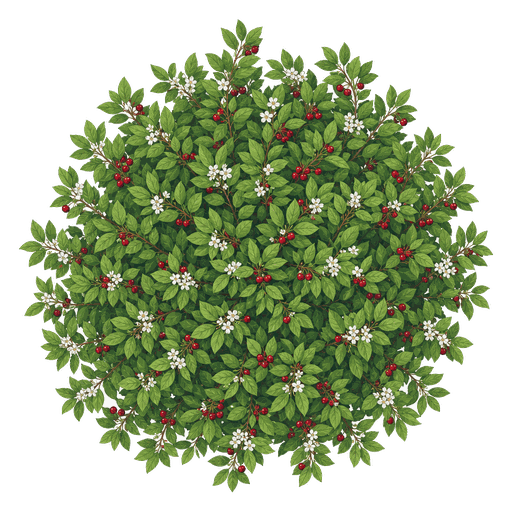 Sour CherryPrunus cerasus
|
15 ft4.6 m | 15 ft tall, 15 ft wide | 4–8 | Full Sun |
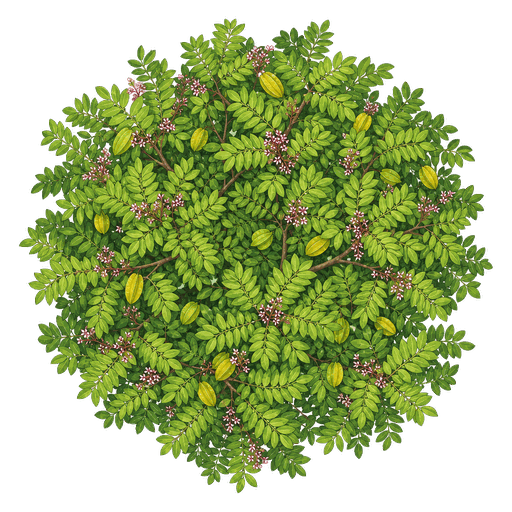 Star FruitAverrhoa carambola
|
20 ft6.1 m | 25 ft tall, 20 ft wide | 10–11 | Full Sun |
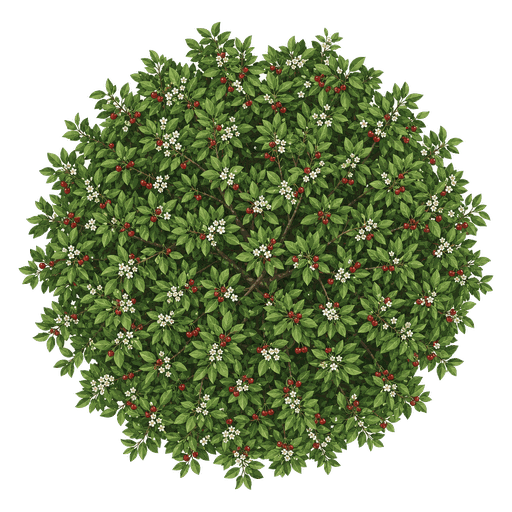 Sweet CherryPrunus avium
|
25 ft7.6 m | 30 ft tall, 25 ft wide | 5–8 | Full Sun |
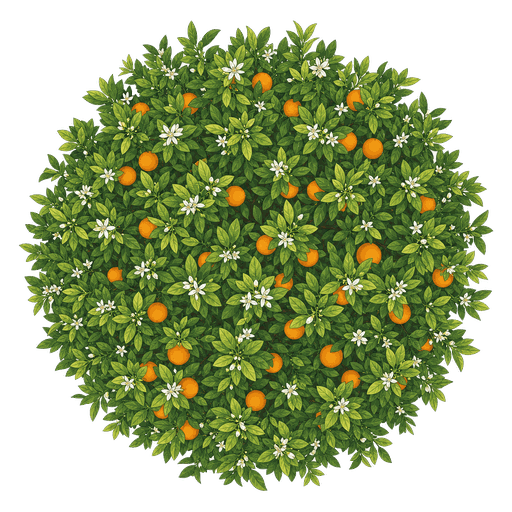 Sweet OrangeCitrus x sinensis
|
20 ft6.1 m | 25 ft tall, 20 ft wide | 9–11 | Full Sun |
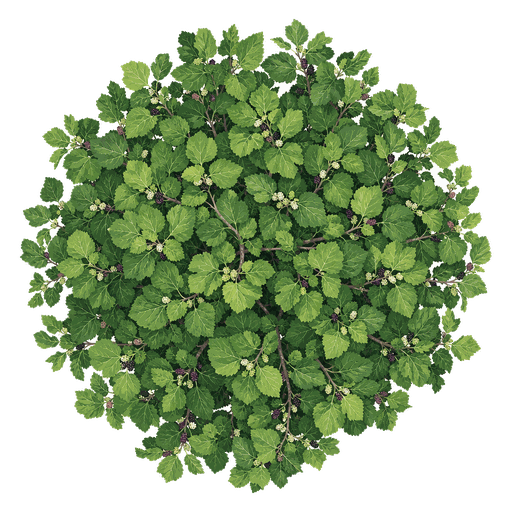 White MulberryMorus alba
|
35 ft10.7 m | 40 ft tall, 40 ft wide | 4–9 | Full Sun |
Spacing is center to center — measure between planting holes, not between the edges of the plants. Mature sizes are planning estimates and shift with cultivar and local conditions. Hardiness is shown only for non-annual, species-level entries.
How to use this chart
Pollination sets a maximum distance as well as a minimum. Varieties that need a pollination partner want it within roughly 50 to 100 ft, with nothing solid in between — a correctly spaced orchard that puts the two compatible trees at opposite ends of the property fruits poorly for reasons that have nothing to do with spacing.
Spacing is also about light and air, which is to say about disease. Fruit trees crowded enough to hold humidity in the canopy get noticeably more scab, brown rot, and fireblight than the same trees with room, and no spray programme fully substitutes for the gap.